Sad But Make It Relatable
When Did Pain Become An Aesthetic ?

“The world breaks everyone, and afterward, many are strong at the broken places.”- Ernest Hemingway
There’s something hauntingly beautiful about pain - or at least that’s what the internet has taught us. We sip coffee out of chipped mugs, post sad quotes in pretty fonts, and call it healing. We wear heartbreak like a badge, turn trauma into aesthetics and post “I’m okay” selfies with mascara smudged just enough to look poetic.
We live in a time where sadness has a soundtrack, heartbreak has a filter, and suffering has its own subculture. And while we like to believe it is all iconic, detached, or ‘just a vibe’, the truth is – we have fallen in love with our pain.
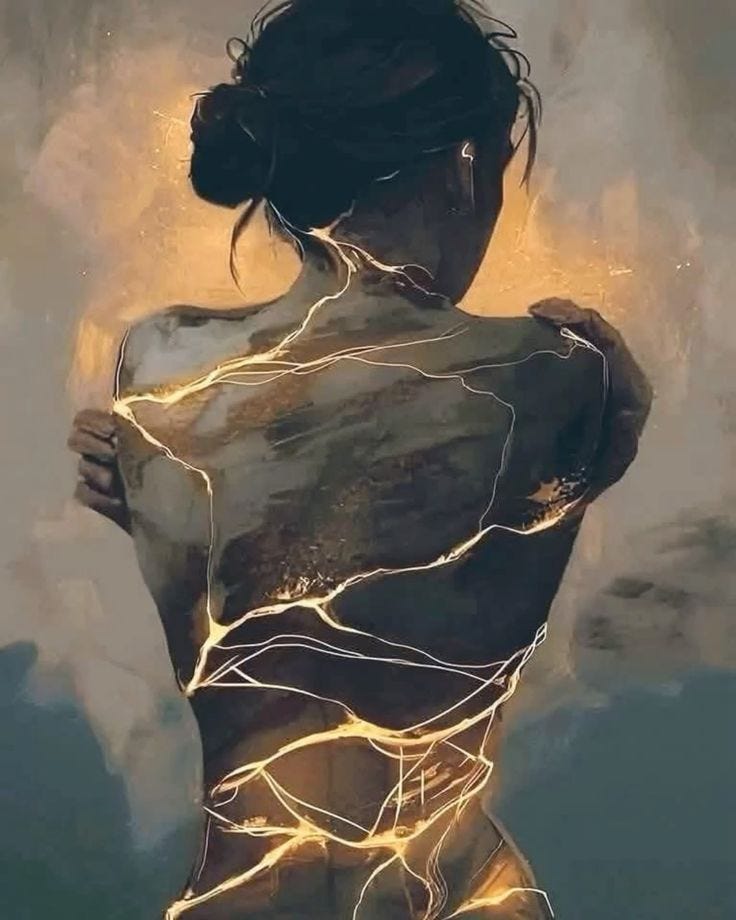
It shows up everywhere. The “sad girl” era on the internet. The tortured artist trope. That one person who says they can’t create unless they are hurting. The friend who romanticizes heartbreak because it makes them feel deep, real, and significant. We wear sadness like it’s proof of our sensitivity, our art, our complexity. Pain gives us texture; we think it makes us interesting. But somewhere between feeling and performing, we started mistaking suffering for depth.
But why?
Why do we romanticize pain?
Why do we feel the most seen when we’re broken?
This might be because pain makes us feel real, in a world where people are obsessed with perfection - where happiness is performative and every smile looks staged - sadness feels raw. It’s unedited, it’s human. There’s something grounding about it, something that reminds us that underneath all the filters and poses, we still have depth. Pain, in a strange way, gives us identity. It gives us a story.
Psychologists might call this a part of identity formation – the process of shaping who we are through the emotions and experiences that impact us most. Often, it’s pain that leaves the deepest mark. It teaches us what matters. It gives us meaning; even if that meaning comes wrapped in sorrow. And once we start defining ourselves through our wounds, we start protecting them, cherishing them - because without them, who would we be? So, we glorify them - because losing that pain feels like losing a piece of ourselves.
This pattern isn’t new. History has always loved its broken geniuses. Think of Vincent van Gogh, painting feverishly in isolation, capturing light and color while battling darkness in his mind. His art wasn’t just an expression-it was survival. His letters reveal a man who found meaning in suffering because it was the only thing that stayed constant. Or Sylvia Plath, whose poetry carved beauty out of anguish, whose words made pain sound lyrical and alive. Her sadness became art, and her art became immortal.
Even Beethoven composed symphonies that carried echoes of his despair. Deaf, misunderstood, lonely-yet his music reached emotional heights that words never could. Pain gave him something transcendent, something eternal.
And maybe that’s why, even now, we keep finding pieces of ourselves in the ones who hurt beautifully. The ones who make sadness look like poetry. From Taylor Swifts heartbreak ballads that turn pain into empowerment to Billie Eilish’s whispered melancholy that feels like a secret between her and her listener-we see our own ache mirrored in theirs. Their pain doesn’t just sound good; it feels good because it gives our emotions a form. It reminds us that pain can be shared, that sadness can sound beautiful, that vulnerability itself can be art. As the poet Mary Oliver once wrote, “someone I loved once gave me a box full of darkness. It took me years to understand that this too, was a gift.”
In psychology, that’s called catharsis- the idea that expressing or witnessing emotion helps release it. We listen, we cry, we write, we scroll - and for a moment, it feels like healing. But catharsis has a quiet trap; it can become addictive. We start craving the release itself. We replay the same sad songs, revisit the same heartbreak memories, rewatch the same scene where the character finally breaks down-not because we enjoy the pain, but because it makes us feel.
That’s the thing about pain-it gives us intensity. And in a world where everything is fleeting, intensity feels like meaning. If it hurts, it must matter. If it aches, it must be love. But sometimes we end up chasing the hurt more than the healing.
Even in the way we talk about sadness today, there’s an aesthetic to it-it’s curated chaos. We post our breakdowns in good lighting, caption our loneliness with poetic lines, and call it authenticity. Social media has made pain public, and the internet loves what it can relate to. Posts about struggle, heartbreak, and nostalgia go viral because they hit something universal. And that’s where social mirroring comes in-we learn about ourselves by seeing our emotions reflected in others. When someone else articulates what we’ve been silently feeling, we think, finally someone gets it.
As Kafka once wrote, “I am constantly trying to communicate something incommunicable.” Maybe that’s what we’re all doing - turning our hurt into something visible, so someone, somewhere, might finally understand.
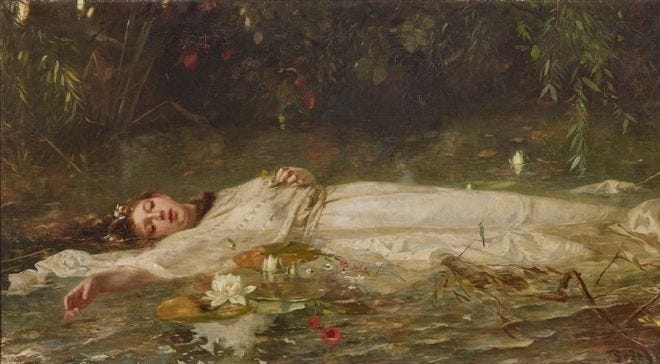
It’s comforting, yes. But it is also dangerous. Because when everyone is expressing pain, sadness becomes the default way to connect. We bond through heartbreak more than happiness. We build friendships over “me too” moments of shared hurt. Psychologists call this co-rumination- when connection is built through pain rather than peace. This is powerful, but it can also make us dependent on suffering to feel understood.
And perhaps no other story can capture that allure better than that of Rue Bennett from euphoria, her voice heavy with grief as she says, “I know it’s all in my head, but the pain feels so real.” Rue’s sadness feels poetic, her breakdown cinematic-and we can’t look away. Her tragedy captivates us because we recognize her. Rue is the modern symbol of our collective ache - raw, messy, aware, and lost. But the real danger is that in our fascination with her suffering, we forget that her pain isn’t an aesthetic – its agony. Rue doesn’t want to be beautiful in her sadness. She just wants to survive it.
Still, we find her captivating, because Rue reflects us. The part of us that believes pain is proof of depth; that suffering makes us special. We’ve been taught to see beauty in the breakdown but not in the becoming.
And then there’s homeostasis- the mind’s way of returning to what feels familiar, even when it hurts. If pain has been your normal, peace feels foreign. You start to miss the chaos when things go quiet. Calm can feel empty. So, we find small things to keep the ache alive- a sad playlist, a haunting movie, and a journal entry we know will make us cry. We keep circling back to the hurt, because it’s the one feeling that never lies.
But what if we’ve misunderstood what makes pain beautiful? What if it’s not the suffering itself, but the way it transforms us? Maybe the beauty of Van Gogh isn’t in his madness, but in his defiance-in how he kept painting light through darkness. Maybe Plath’s brilliance wasn’t her despair, but her courage to write it down. Maybe the art isn’t in the wound, but in what we create while we are trying to heal.
We often fear that healing will make us dull. That, if we stop hurting, we’ll lose our spark. But healing doesn’t erase depth- it expands it. It gives us new ways to feel, new ways to understand. We can still be creative, sensitive, emotional-but from a place of peace instead of pain.
But pain has a way of lingering long after the moment has passed. It settles into the corners of our identity, convincing us that endurance is personality. Letting go of that can feel like erasing a version of ourselves we learned to live with. Healing asks us to rewrite the script, and blank pages can be terrifying. And maybe that’s why, as Jo March insists in little women, “I’m so sick of people saying that love is all a woman is fit for. I am so sick of it.”, maybe we are sick of pain too, but the story feels harder to tell without it.
And yet, romanticizing pain isn’t always shallow. Sometimes, its survival, it’s our way of saying “If I have to hurt, let it mean something”- meaning gives us control. It turns chaos into story, heartbreak into art. But maybe it’s time to realize that we don’t need to keep bleeding to prove we’re alive.
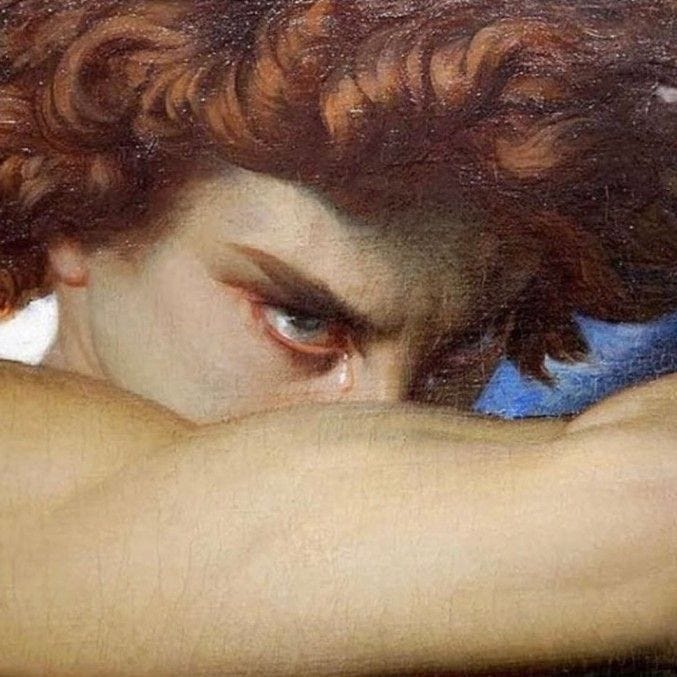
Healing doesn’t make you boring. It makes you brave. It teaches you how to feel deeply without drowning, how to create without suffering, how to exist without performing your pain. Maybe it’s time we stop worshipping the storm and start noticing the sunlight that follows. Pain isn’t a personality trait. It’s an experience- one meant to move through us, not define us. You don’t have to make it pretty to make it meaningful. Sometimes surviving it means enough. And You’re allowed to outgrow your sadness without losing your soul. You’re allowed to find beauty in joy without feeling shallow. You’re allowed to be shallow. You’re allowed to be whole.
Perhaps the next era isn’t the “sad girl” one at all. It’s a shift towards emotion without theatrics—toward gentleness, quiet contentment, and peace that doesn’t need an audience. For years, many of us have lived like the Goo Goo dolls described in their song Iris –so overwhelmed or unseen that you “bleed just to know you’re alive”. But maybe we’re finally moving past that numbness. Maybe we don’t need pain to feel real anymore. Maybe we don’t have to ache to feel alive.
“The wound is the place where the light enters you” - Rumi
We’ve spent so long chasing that light through heartbreak songs, tragic heroes, and cinematic sadness –through Rue’s breakdowns, Plath’s poems, and Van Gogh’s skies—believing it only existed in the broken parts of us. But maybe it was never hiding there at all. Maybe it’s been waiting in the quiet, unposted, unperformed moments that don’t need to be shared to be real.
And maybe that’s where healing truly begins - not in the story of our suffering, but in the silence that follows it.
So, after all these times stuck romanticizing the broken -
What if the person you become after healing is the masterpiece you were trying to paint all along?
Writer : Ishika Musaddi
Editor : Hritvi Kothi